Browsing Category

active

Goldmyer Hot Springs is a serene getaway tucked into the foothills of the Cascade mountains. Surprisingly, a visit to Goldmyer is just about an hour drive from Seattle.

The hot springs are set in an old growth forest, surround by majestic Evergreen trees, some of which are over 900 years old. A powerful waterfall flows nearby. Ease your mind and help you forget about any to do list you’ve left at home.

Continue reading to learn how to make a reservation and what to expect on your visit to Goldmyer.

What are hot springs?

A hot spring can be described as water that is heated by subterranean volcanic activity and rises from the Earth’s crust to a spring that can be safe for bathing.

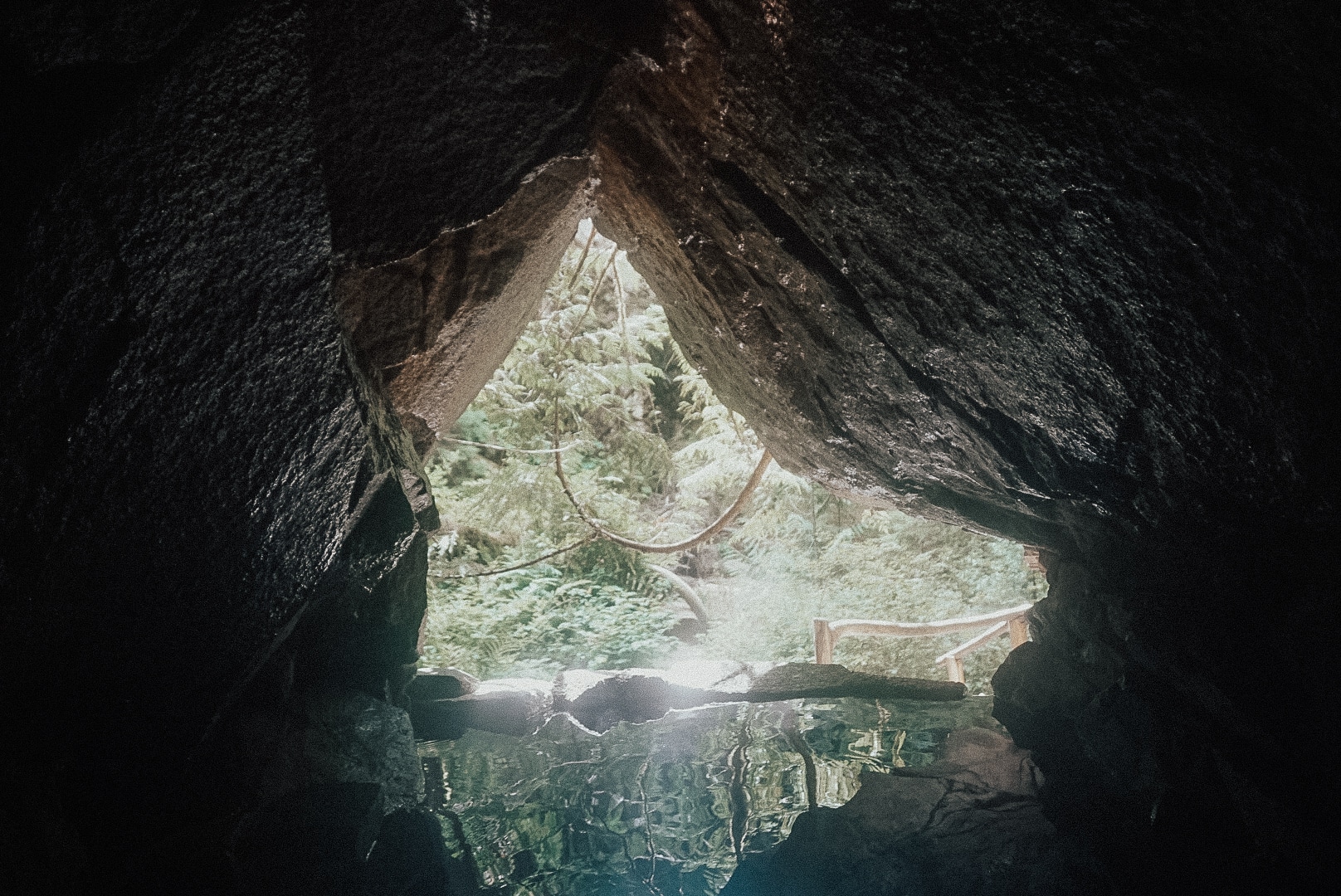
Goldmyer Hot Springs flows from the inside of an old, horizontal mineshaft. There are four pools that vary in temperature from 111ºF to 104ºF all the way down to the cold pool. In the cave (mineshaft), the water enters the pool at about 125ºF and continues to trickle down into the lower pools getting gradually cooler until the 4th pool, also known as the cold pool where people can cool down.

Because the water flows through rocks there will be some minerals present in the water giving the springs an earthy smell.
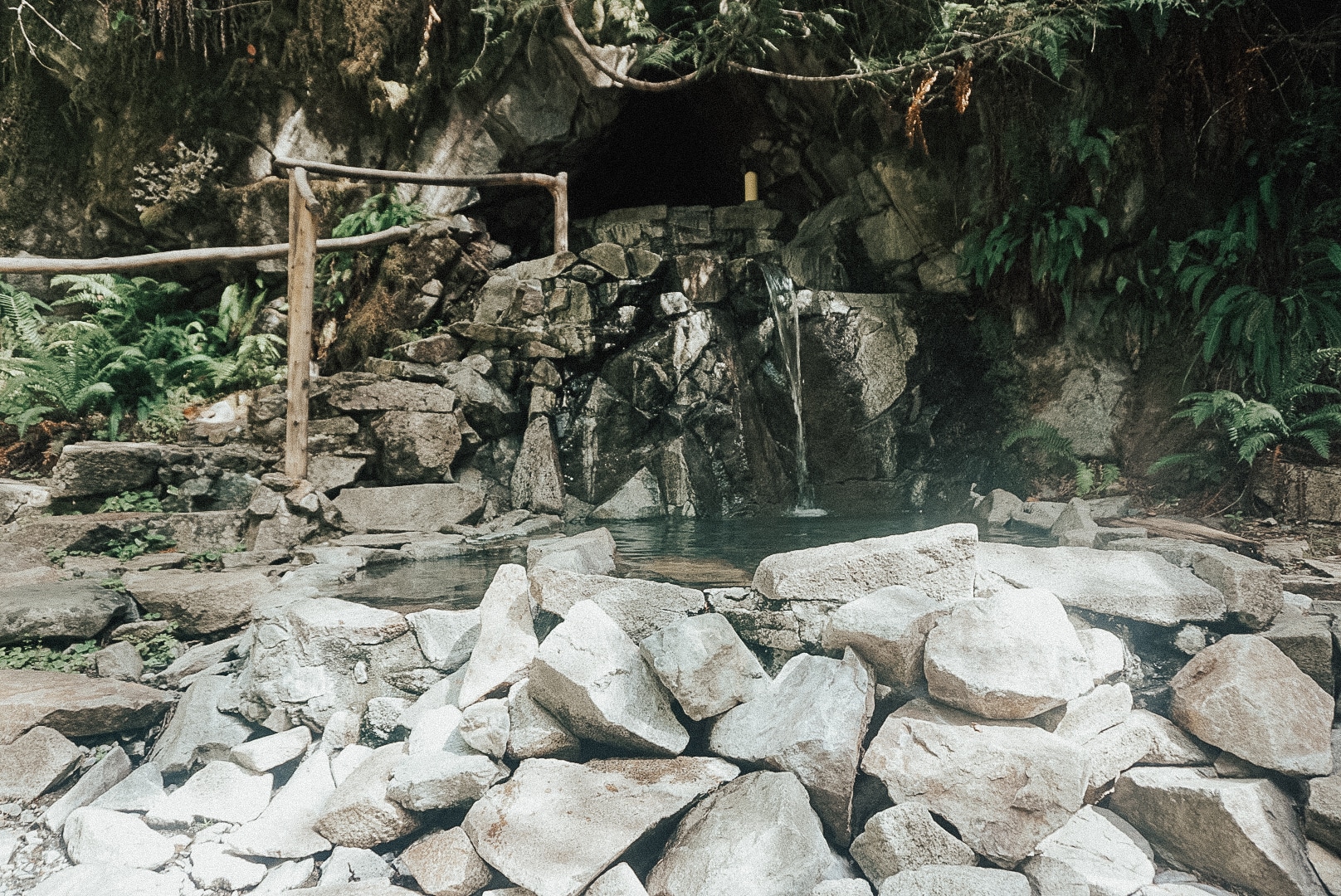
There are multiple pools at the Goldmyer Hot Springs.

How to get there?

Traveling to Goldmyer involves driving through an old growth forest on a dirt road that can some might describe as rough.  After driving five miles on the unpaved, Forest Service road there is a gradual uphill 4.5 mile hike.

If you prefer, you can ride a bike on the trail instead of hiking. There is a place to lock up bikes if this is what you end up doing. Many people like to backpack into Goldmyer. They often stay for multiple days. Camp sites are available if this option sounds interesting to you.

If traveling from Seattle, take I-90 to exit 34. From there drive to Dingford Trailhead. If all goes smoothly this should take you about 45 minutes.

From Dingford Trailhead you can expect a 2-3 hour long hike — if hiking at a consistent/moderate pace. Biking can take 1-3 hours, depending on your pace and how much you are packing. If you do plan to bike, the trail can be pretty rough so experience is advised.

There are also other ways to get to Goldmyer outside of Dingford Trail. If you are interested in exploring other options www.wta.org will provide multiple different trail descriptions and is typically a good resource for travel logistics.

A Truck May Be Required

During the fall and winter months high clearance vehicles are necessary to drive through to Goldmyer. This does NOT include small SUVs and Subarus, but rather trucks. During summer a large SUV or truck is still highly recommended, but a high clearance Subaru should be fine as long as there isn’t flooding.

To get current updates on road conditions please visit the Goldmyer website. During the fall and winter months, you should definitely check the website. This is necessary in knowing whether or not you will be able to make a trip out to the hot springs.

If you want to be extra prepared in the winter, consider bringing chains along with a saw or axe for fallen trees. Always bring extra food, water and warm preparation to be warm for an extended period of time should your car break down or get stuck.
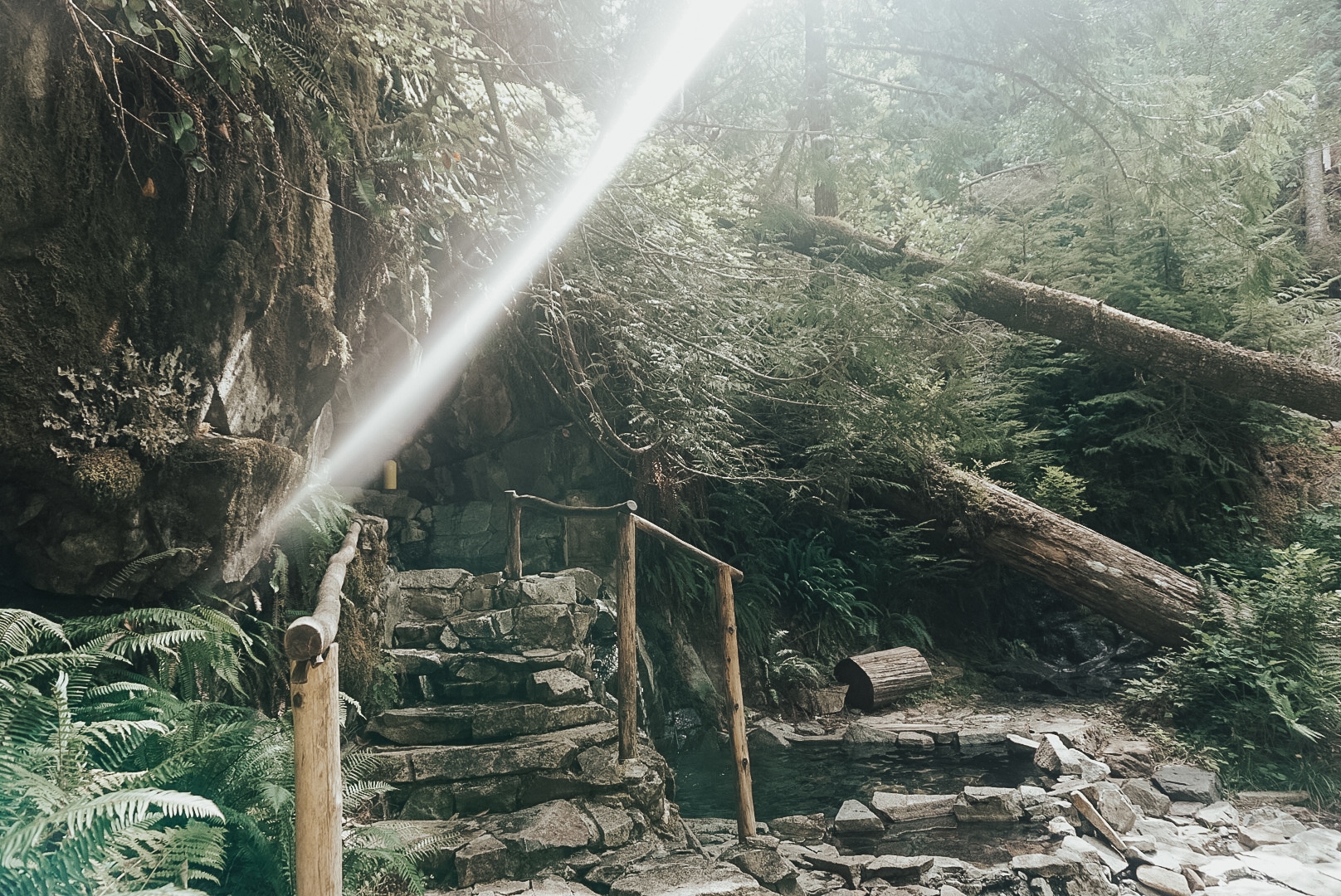
In the midst of an old growth forest sits the tranquil, hot, waters of Goldmyer Hot Springs

Reservations

Goldmyer Hot Springs is a popular spot for people throughout the Pacific Northwest.  Only 20 individuals are allowed in per day so reservations are necessary. If you show up without a reservation you will likely be asked to turn around and head home unless you are incredibly lucky and there is an unfilled spot for the day.

When planning a trip to Goldmyer it’s advised to give yourself at least two weeks to confirm a spot. Reservations are by phone. To secure your spot call 206.789.5631, and leave a voicemail. In your voicemail be sure to include your name (first and last), date you would like to visit, amount of visitors in your group and a call back number with a good time to reach you. Please note that groups are limited to a maximum of eight people.

The cost to visit Goldmyer is:

  • Children (0-17) Free
  • Adults (18-64) $15 (increasing to $20 in January 2019)
  • Seniors (65+) $10
  • Camping Charge: Additional fee of $5 per night for every person 18 and older.

Middle Fork Valley

Goldmyer Hot Springs is a great home base for those interested in exploring the Middle Fork Valley of the Snoqualmie River.

This is a multi-use trail so be sure to follow proper trail etiquette. Also note that depending on the time of year this may not be a hiking option. Appropriate research is necessary.
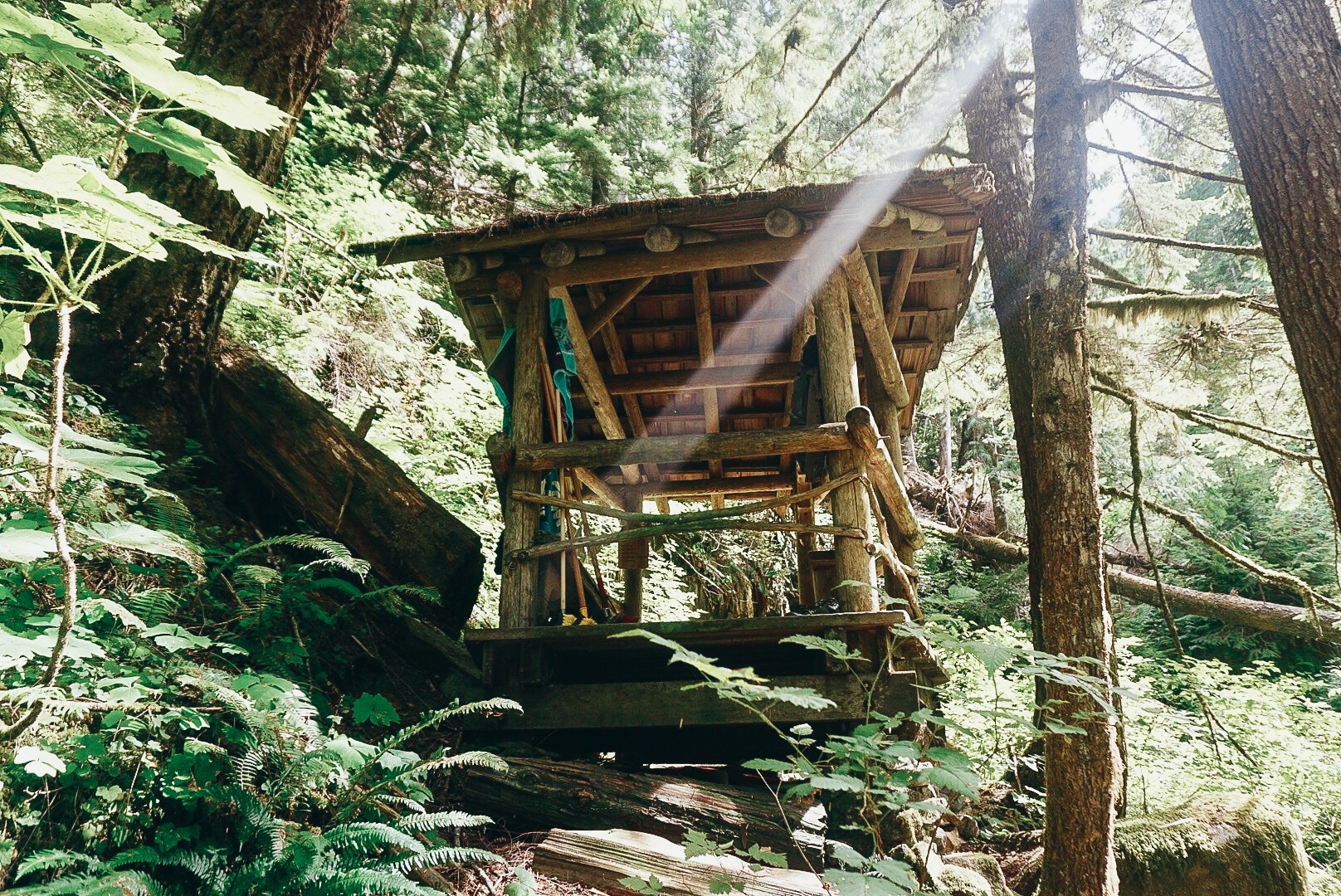
There are basic camping accommodations at Goldmyer Hot Springs.

Other important logistics

Goldmyer Hot Springs is run by a nonprofit and to guarantee access a reservation is required.

Clean drinking water is not available at Goldmyer, so make sure to pack in what you need for a full stay.

Outhouses are available, but again there is no running water.

Goldmyer Hot Springs is a clothing optional spot. If you would like to arrange for a no nudity stay please be sure to mention this to the office when booking your reservation.

Check in time at Goldmyer is between the hours of 9am and 9pm. If you are just visiting for the day, you need to be checked out of the hot spring by 9pm.

If you are camping please note that campfires are not an option. Pack your food accordingly.

You will likely lose phone service once you are out there so be sure to print out directions. These are easily found on the Goldmyer website. 

A Northwest Forest Pass is required for parking at the Dingford Trailhead. If you need more information about this pass you can visit http://www.discovernw.org/store_recreation-passes_1PASS/

Don’t forget your towel!
tacoma nature center

The Tacoma Nature Center is one of the most wonderful things to explore in Tacoma.

It’s a fun way to spend a day out in nature and learn about the local area. From hiking trails to family activities, there’s so much to discover.

If you’re planning a trip, you’re going to want to know how to enjoy your time there.

Here’s your guide to making the most of your trip to the Tacoma Nature Center.

What Is the Tacoma Nature Center?

Maybe you’re not familiar with the center and what it has to offer.

The Tacoma Nature Center is a 71-acre preserve surrounding Snake Lake. Its nature trails are a great way to experience the local wetlands and wildlife.

General admission is free for the nature preserve, all trails, and basic activities. The visitor center is open Monday through Saturday from 9 am to 4 pm. The trails themselves are open from 8 am until sunset year round.

While it’s free to visit, donations to the preserve are accepted.

Another one of the best things to do in Tacoma, nature-lovers will find plenty to do at the center. The Tacoma Nature Center can also be rented for events such as birthday parties and weddings.

History

The Tacoma Nature Center has a long and fascinating history. It stretches back to the early years of American civilization.

Before the center came to be, Native Americans used the resources of the land and water. In the late 1800s and early 1900s, Snake Lake became a popular destination in Tacoma. It wasn’t until 1979 that the area was officially dedicated as a park.

Soon after, the preserve started to establish various programs and activity centers. Today, the park continues to change and evolve.

Trails

A myriad of beautiful hiking trails is one of the biggest draws for visitors at the preserve. Hikers can choose between three self-guided walks. These include the Forest Walk, History Walk, and Wetland Walk.

The Forest Walk will take you through trees brimming with Douglas firs. This forest is home to wildlife, shrubs, and a highway view. Visitors will also enjoy gorgeous hillside paths.

Tacoma Nature Center’s History Walk is heaven for history-buffs. The tour ventures past a rock wall, bridge, and railroad line that all have a place in the preserve’s rich history. Hikers will learn about the habitat’s conservation and the tribes that used the land hundreds of years ago.

Wetland Walk is a guided tour through the wetlands of the area. Duck, reptiles, and majestic trees find a home in these waters.

Visitors who opt for this walk will have an experience that’s vibrant and alive with the sounds of nature.

The center offers a guide and map of the trails to all hikers who want to stay the course. The guide gives you a checklist of the various wildlife species and shrubbery you may spot on your walk.

There’s also an “interpretive center” where families can enjoy exhibits on wildlife and the wetlands.

Discovery Pond

The Discovery Pond is the perfect place for families with young children to visit.

It’s an environmental playground built with nature itself. Kids can enjoy a tree house, waterfalls, and a log crossing. The playground has tons of rocks, logs, gardens, and other things for children to play on.

This area can be reserved for parties. But on regular days, the playground opens at 9:30 am.

Plant Nursery

You can also find a native plant nursery on the preserve. Gardeners who want to help conservation efforts will find the perfect plant here. These plants make the best habitats for local animals and insects.

The nursery has plant sales twice a year. There’s one in the spring and fall for guests who want to make a special purchase.

Wildlife

The Tacoma Nature Center is filled with exciting local wildlife. Visitors can see over 20 species of mammals and almost 100 species of birds on the preserve.

Some mammals that are common to see include the red fox and the black-tailed deer. Painted tree frogs and painted turtles find refuge in Snake Lake. Wood ducks, black-capped chickadees, and woodpeckers circle the forests and the wetlands.

The park discourages guests from feeding the animals. You can, however, take photos on your trip.

Programs

After you’ve made the most of your trip, you might want to know what classes, events, and programs are available.

Tacoma Nature Center isn’t just great for hiking and exploration. The center hosts art shows and Earth Day events.

There are classes for adults and children to learn more about science. The preserve hosts field trips for kids that allow them to interact with nature. Lastly, summer camp programs for young children and adolescents are also available.

There’s no end to the fun and educational opportunities you can take advantage of at the park.

Plan Your Trip

There are a couple of small things to remember before making your way to the nature preserve.

The center has limited parking so if you’re going with a group, it’s a good idea to drive together. Visitors should keep in mind that pets and bicycles are not allowed on the trails. The park also asks hikers to refrain from smoking on the trails.

Now it’s time to begin planning your trip. Whether you have a family or want to go on a solo hike, there’s something for you at the Tacoma Nature Center.

For more information and tips, contact us today.

Borden Beck Wildlife Preserve

Central Oregon is well known for its outdoor recreation. From waterfalls to canyons, desert landscapes to lush forests, Central Oregon has it all. It would be remiss to start any discussion about day hikes in central Oregon without mentioning Smith Rock State Park. Check out our article dedicated to the park here for ideas on planning your hiking expedition. If you’re looking for something a little more off-the-beaten-path and less populous, we’ve curated a few sweet spots for you here. The following are several day hikes in the Central Oregon area that get you outside quickly without a lot of drive time.

Tumalo Falls

Tumalo Falls State Park is a wildly popular destination less than 15 miles outside of Bend in the Deschutes National Forest. The day use area and parking are just steps from the most picturesque view available of the falls. A short jaunt uphill to an overlook point is a mere 1/2-mile down and back to the parking lot. Here you’ll be able to stand at the top of the falls and imagine what it would be like to float right over the edge. For an even closer look, keep your eye open for a trail shooting off toward the falls. You can walk right up to the falls and feel the spray of the mighty river. This area can be very slick and wet, so make sure you’re wearing the proper footwear for the occasion. If you’re interested in seeing even more waterfalls along Tumalo Creek, keep heading up past the overlook along North Fork Trail. You’ll make your way past Double Falls, ending at Upper Falls, with serene viewpoints of both. This is a great point to turn back for a total of 4 miles of hiking with moderate elevation gain. This area does require a recreation pass, which is available to purchase online before you head out. You can also pick up or print a map of the Tumalo Trail System to help guide your travels.

Steelhead Falls

Steelhead Falls is located near the community of Crooked River Ranch. Long a hidden spot known mostly to locals, there are now signs guiding you to the trailhead. Heading north on highway 97, take a left on Lower Bridge way and follow signs to Crooked River Ranch. You’ll take a left on Chinook Drive and then another left on Badger. Travel another mile, and take a right on Quail Road which you will follow to River Road. River Road is a gravel road that takes you down to the parking area for Steelhead Falls. The trailhead can be seen just north of the parking lot. This hike leads you through juniper stands down into the Deschutes Canyon. You will pass by impressive geologic beauty on both sides of the trail. There are many trails down to the rocky shore of the river and some that extend up to take a closer look at the colorful canyon walls. The Deschutes Canyon is home to rich history and is marked with petroglyphs, if you can find them!

Steelhead Falls is very popular with daredevils who enjoy cliff diving and jumping off at the falls. There are plenty of places to stop along the river for a swim, and in the summer this hike is absolute perfection for cooling off during the blazing heat. Occasionally people will set up highlines across the Deschutes at this spot to add a little drama to their dives. This hike is about 1 mile round trip. Be prepared in the summer with plenty of water and sun protection, as well as keeping an eye out for rattlesnakes.

Alder Springs

The Alder Springs trailhead on Whychus Creek is a little trickier to find, but more than worth the effort. It is recommended to have a high-clearance 4WD vehicle to access this trailhead. This area has seasonal closures blocking the gravel road during winter, although hiking is still allowed.

At the start of the Alder Springs trailhead, you will have epic views of the Cascade range towering above the rolling hills and textured canyon walls above you. This trail starts with an immediate descent, and in the spring this area will be lit up by wildflowers, such as the green-banded mariposa lily. After meandering down toward the river you will witness canyon ramparts and the Deschutes formation, as well as pass by the springs. In the summertime, the fragrance from the wildflowers growing along the river’s edge will waft to your nose before you even see the springs! Continue on to a lush, shaded grove near the water, where it is possible to wade across Whychus Creek. From here, you can continue past several campsites and even trek on to the confluence of Deschutes River and Whychus Creek if you so desire. Make sure to bring enough snacks and water should this be your chosen route, as it tops out around 7 miles round trip.


Borden Beck Wildlife Preserve

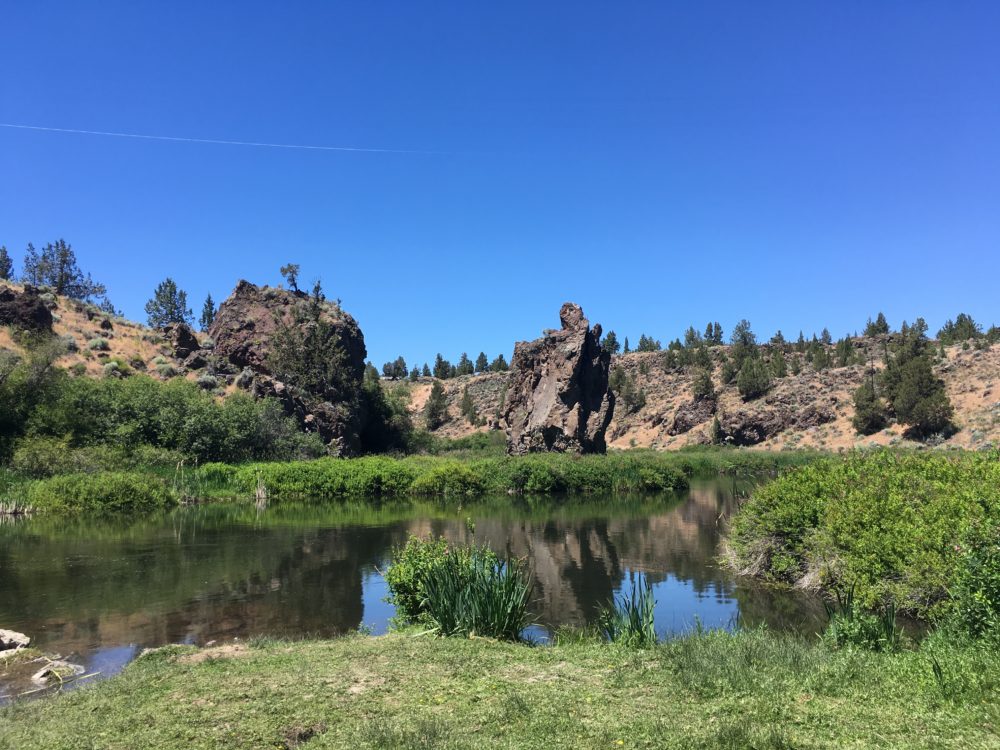
This gem of a swimming hole is well-known to fly fisherman and local birders. This is a great spot to take little ones if you have them in tow. A short, flat trail leads you quickly through blackberry bushes, juniper, and sagebrush into an oasis in the desert. Be sure to glance behind you as you walk for an excellent view of the Three Sisters range when you get in just the right spot. Borden Beck boasts several entry points to the river, allowing visitors to cool off and play around. Be on the lookout for Canadian Geese that frequent the area near Eagle Rock where many people like to float and swim. The shallowest point is the first swimming area the trail will come upon, in the shadow of Eagle Rock. This is a perfect place for kids to play, provided you’ve brought flotation devices. A mere 50 yards away is another swimming hole just past the river rapids, which is favored by more experienced swimmers. Be aware that alcohol is prohibited in this area maintained by the Redmond Area Parks and Recreation District, and as always, leave no trace principles apply. To get to Borden Beck, head north from the tiny town of Terrebonne and take a left on Lower Bridge Way. Follow this road for 6.5 miles until you see an unassuming sign at the bottom of the hill. Parking is a small gravel lot and is free to the public.

Get Outside

If you’re looking to get outside as quickly as possible without a lot of fuss, these are the treks for you. It is important to follow the guidelines for public use posted at each location, as well as packing out any trash you may produce while you’re there. This will help ensure that other visitors (and you, when you return!) can enjoy the natural beauty of each location for years to come. 

A good shoe both separates and connects us to the ground. It protects our feet and ensures the grip we need to move toward our goals. Whether it’s to run another mile or shop another store—our footwear can be a key factor in how we enjoy the experience.

Each person’s feet are unique, with different widths and arches. Certain brands like Keen are better suited for a wider foot, and other brands like Brooks offer different cushioning factors. After-market insoles like Super Feet are popular, because they adapt a shoe to fit your foot—and can be transferred from shoe to shoe.

When considering how to stock your quiver of shoes, there are a number of things to keep in mind. Will there be mud, water or dust on the trail? Will my feet get sweaty? How stylish should I be today? How active might I get whether chasing a dog or standing in line? These are a few of the factors that help us decide which shoes to wear, and which shoes to buy.

We took a look at the offerings of a number brands to see what they offered in shoes for an active lifestyle. We stuck to low cut shoes that were not intended for any one sport. Hopefully this guide will aid you in making your next purchase:

Lifestyle Shoes

Casual Shoes: A comfortable alternative to dressier shoes that, in some cases, may be worn with dressier clothes. There is a variety of colors and styles to pick from.

Pros – Comfortable, stylish, and typically less expensive.

Cons – They may lack the tread and support you need in your work or activities.

Something to consider –Always break in a pair of shoes and test them out before committing to an 8-hour shift in them. Just because your office-mate can get away with casual shoes, doesn’t mean it will work for you.

Walking Shoes: These can be great for work, your morning walk, or afternoon shopping. Their main function is support and comfort. They may not be as stylish as other shoes, but they get the job done.

Pros – Good comfort with great support.

Cons – Not what some might call “stylish.”

Something to consider – Some brands specialize in more stylish walking shoes. If comfort and support is what you’re looking for, don’t get scared off by one brand’s offerings.

qtq80-DYRs3i

Running Shoes

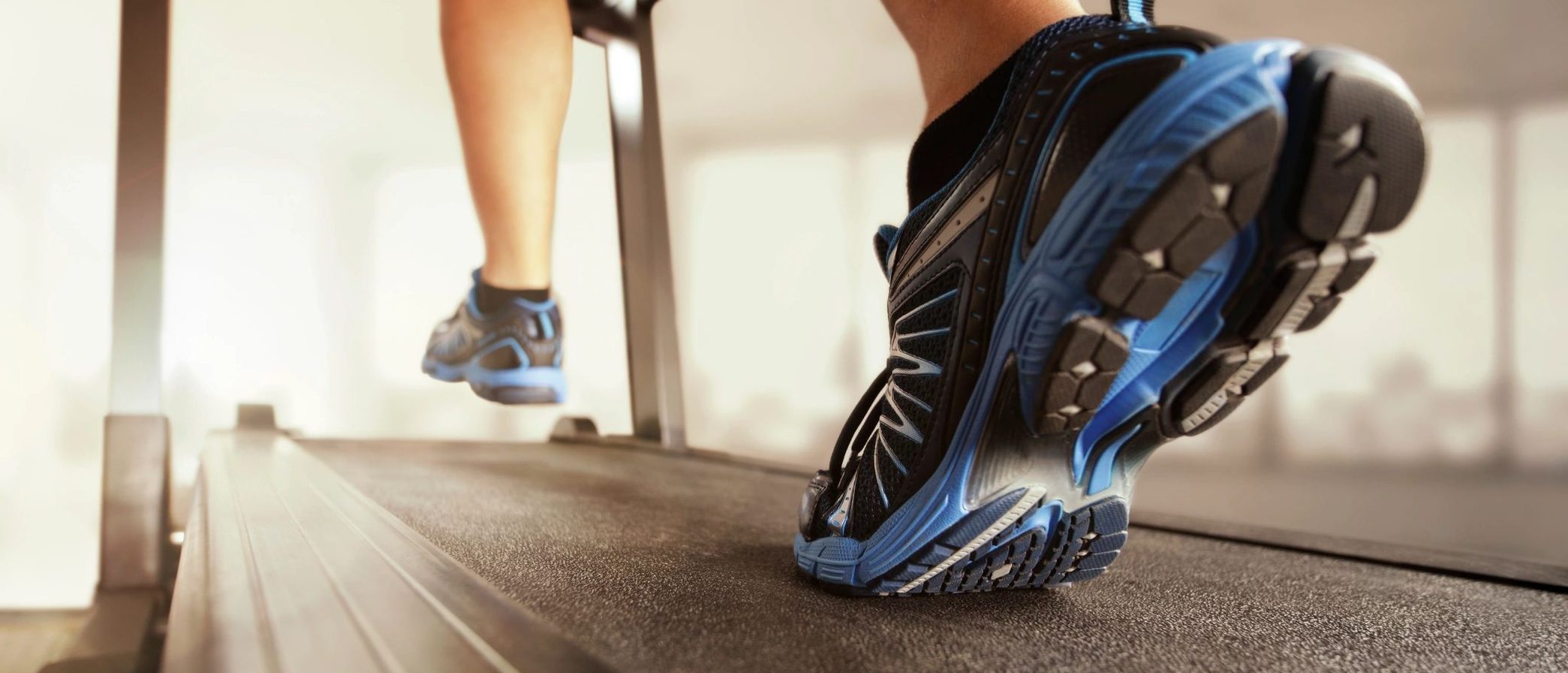
Running Shoes: Lightweight, purpose-built shoes for running and jogging in a straight line, not necessarily for side to side maneuvers. They are designed to have good airflow. They are not the most supportive in the arches or ankles. Waterproof versions are available, which are less breathable and stiffer.

A few of our favorites:

Pros — Lightweight, comfortable and breathable. Often offered in fun colors/designs.

Cons – They wear out quickly. They may lack the support you need. The fun colors/designs might be “too” fun.

Something to consider – Running shoes range from being minimalist with very little support, to having a much better support, depending on the needs of the owner. Check with a reputable running store, like Brooks Running, to have an expert fit a shoe to your needs.

Trail Running Shoes: These are much like traditional running shoes, but are purpose-built for people who run on loose terrain. They have an aggressive tread, are lightweight and breathable. Waterproof versions are available.

Pros – Aggressive tread, light weight and breathable.

Cons – May lack support. The tread may not work so well on pavement or other smooth/hard surfaces.

Something to consider – As with traditional running shoes, the tread is soft and may wear down quickly. Some trail runners have an aggressive tread, which will also wear down quickly if worn off the trail.

Training Shoes

Cross Training Shoes: These are some of the most popular shoes for those with an active lifestyle who may only want one pair of shoes. They are typically made from a material and pattern that doesn’t show the dirt. They have great support and traction, and are relatively water resistant and in some cases are waterproof.

Pros – Long lasting build with relatively good support and traction. Not offensive in appearance especially if worn with an outdoor style. Typically built to last.

Cons – Heavier than other shoes. May not breath as well as other shoes.

Something to consider – These shoes may become so practical that they are all you ever wear. After two years, you may need an intervention from close friends who will help you throw them away. You will most likely buy the exact same style.

Aerobics Shoes: These are made for your typical Zumba, step or Kick-boxing classes. They offer good side support and cushioning.

Pros – Good support and cushioning. A good all around shoe.

Cons – No waterproof option. Won’t last as long as cross-trainers. The style may not translate well from your Zumba class to QFC.

Something to Consider – To help them stay clean and last longer, have a pair of comfortable slip on shoes that you wear to and from your aerobics class. This will allow your feet and shoes to breath post workout, and could remedy any style concerns.

Finding Things to do in Bend and Beyond

If your finding it hard to find some things to do in Bend this weekend, consider checking out Smith Rock and its surrounding areas. It’s just a short drive away and hosts word-class rock climbing, along with some great spots to sample local craft beer, coffee and food.

Explore our page to find even more of the best things to do in Bend, Oregon and its surrounding areas!

Smith Rock State Park

Smith Rock State Park is one of the crown jewels of central Oregon. Situated less than 30 miles from ever-popular Bend, Smith Rock comes with a wide variety of attractions, from hiking to sport climbing. Whether you are vacationing with the family, looking for adventure with friends, or just have time for a quick stop on your way to Bend, there is something memorable here for everyone. Begin your trip at the Welcome Center yurt to learn about the history and geology of the park. Parking passes for day use are five dollars at the self-serve kiosk, or you can acquire an Oregon State Parks pass (get yours today) from the camp host on-site, which opens up all Oregon State Parks to you. Summer is high season at the park, and parking can be difficult, so plan to carpool if you are going with friends.

Smith Rock Photo by Aubrey Ball

Smith Rock State Park is one of the crown jewels of Central Oregon.

Hiking Smith Rock

There are a multitude of options for hiking Smith Rock. For instant gratification, there are plenty of flat walking trails at the top of the canyon with photo-ops to be had everywhere you look. If you’re up for a more challenging expedition, head up Misery Ridge Trail, which begins just across the footbridge at the bottom of the canyon. At just 3/4 of a mile long, there is 1000 feet of elevation gain. Once you reach the top, however, all misery fades from your mind with gorgeous views of the Cascade range as well as an eagle-eye view of the entire park. If you continue on, you can make a loop of it by following Misery Ridge Loop to River Trail, then back out the way you came. This route takes 3-4 hours, depending on your fitness level, and goes down the back side of the rocks and along the river.

If you’re looking to spend most of the day hiking, and are ready for some steep gains, head the opposite way to Burma Road Trail, which brings you around the few giant Ponderosa Pines and around the irrigation canal that runs through the park. Burma Road Trail is also popular with mountain bikers and climbers.

Fun For Kids

Near the entrance to the park is a play area for children, featuring a scaled down version of Monkey Face Rock which kids can try their hands at climbing. There are also picnic benches and trees to spread out for lunch, or perhaps set up a slackline.

Finally, take a look at the maps before you head out, and feel free to spend the day piecing bits of each trail together for your own adventure.

Climbing The Area

Smith Rock is known as the birthplace of sport climbing. There are just under 2000 routes in place at Smith Rock. The variety and quality of routes attracts international climbers to the park during all seasons. Be sure to check out the Welcome Center for the park’s unique climbing history and to read about the big names in the sport that made their way through the park. If you’re a beginning climber or would like a guide, check out Smith Rock Climbing Guides, Inc., which offers instruction for all levels of climbers.

Highlining and Slacklining

Smith Rock is also becoming a known highlining spot. Gaze upward when you’re out and you might be lucky enough to spot what looks like a tightrope being walked by some daring human. Slacklining involves the use of climbing rope strung between two points. Many people will set up between a couple of trees, but the truly daring will post between two high points. Dubbed “highlining”, this is an entrancing activity just to watch even if you aren’t interested in partaking.

Local Wildlife

Smith Rock is home to many birds of prey, such as bald eagles which nest in the pines on the south end of the river trail. There are also golden eagles, prairie falcons, river otters, mule deer, and beaver that can be seen in the park. Bufflehead and mallard ducks as well as Canadian Geese are also common visitors. Bring your binoculars, and make sure to look up while you’re in the park to see the many different nests hanging onto the faces of the rock. Be aware that some climbing routes will close seasonally for nesting raptors, which are easily disturbed by human visitors.

Places to Stay

The Bivy campground at the park is five dollars per night. There are showers and restrooms facilities available for the use of guests. The campground fills quickly, especially in summer, and is on a first-come, first-serve basis. For those that require more creature comforts, Eagle Crest Resort is 15 miles away in Redmond. The resort has all the amenities one could require, such as a sauna and spa. There are many vacation rentals available throughout Central Oregon, and Bend is a short 30 miles down the road with hotels, resorts, and rentals to suit a variety of needs.

Food & Drink

Just before the entrance of the park is Juniper Junction, a climbing supply store that also happens to sell huckleberry ice cream. For a true taste of Oregon flavor, this is a must-do, and is especially rewarding after a hot day of adventuring in the park. If you’re looking for a delicious meal, hit up the Terrebonne Depot. The Depot resides in a restored train station where trains pass by daily. They serve steak, seafood, burgers, and pasta, and use locally sourced ingredients wherever possible. If you’re looking for something more down-home, or perhaps are in need of a milkshake, the Sun Spot Cafe is just a little further from the park, and serves up daily breakfast specials in a tiny diner-like atmosphere. Need coffee? How about a beer? Redpoint Climbing Supply serves up locally roasted coffee inside their gear shop. They also have a rotating selection of beer on tap. Fill up a growler to take home, or just sit and plan out your day at Smith while enjoying a beverage. Right next door is a community studio with massage, yoga, and energy healing.

Grab a latte or iced coffee on your way out to Smith Rock. Proust Coffee in Redmond, OR is a local favorite.

Redmond Oregon – Big(ish) City Vibes

If you are staying in Redmond, there are several options for food and drink. Proust Coffee is located in downtown Redmond and features Belgian-style liege waffles along with specialty coffee. The ambiance in Proust is friendly and warm. Everything is house-made, right down to their syrups and chai!

Step right next door to the Vault Taphouse to try locally-brewed Kobold beer, or go for some award-winning tacos at Westside Taco Co.. West Side Taco Co. is a food truck that shares an outdoor patio with the Vault.

Pig and Pound Public House is a British-style pub just west of the downtown strip, featuring a simple menu and plenty of beer. Go for the bangers and mash if you want to be wowed.

Redmond is following in the steps of Bend and becoming a town well-known for its breweries and pubs.There is shopping available in the downtown corridor, as well as a locally-owned bookstore, Herringbone Books, which has an excellent selection of books as well as  regularly scheduled author events.

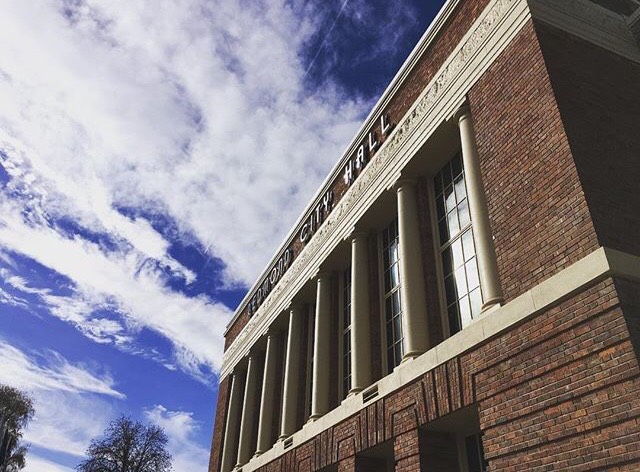
Redmond City Hall Photo by Aubrey Ball

Redmond has been doing a lot of work to update the downtown core in recent years.

Visit Central Oregon Today

Central Oregon is brimming with all the ingredients for an adventure-filled getaway. From awe-inspiring cliffs at Smith Rock to beer and coffee in town, Central Oregon has got you covered.

Tacoma_Narrows_Bridge_by_train

A Connecting Point in The South Sound

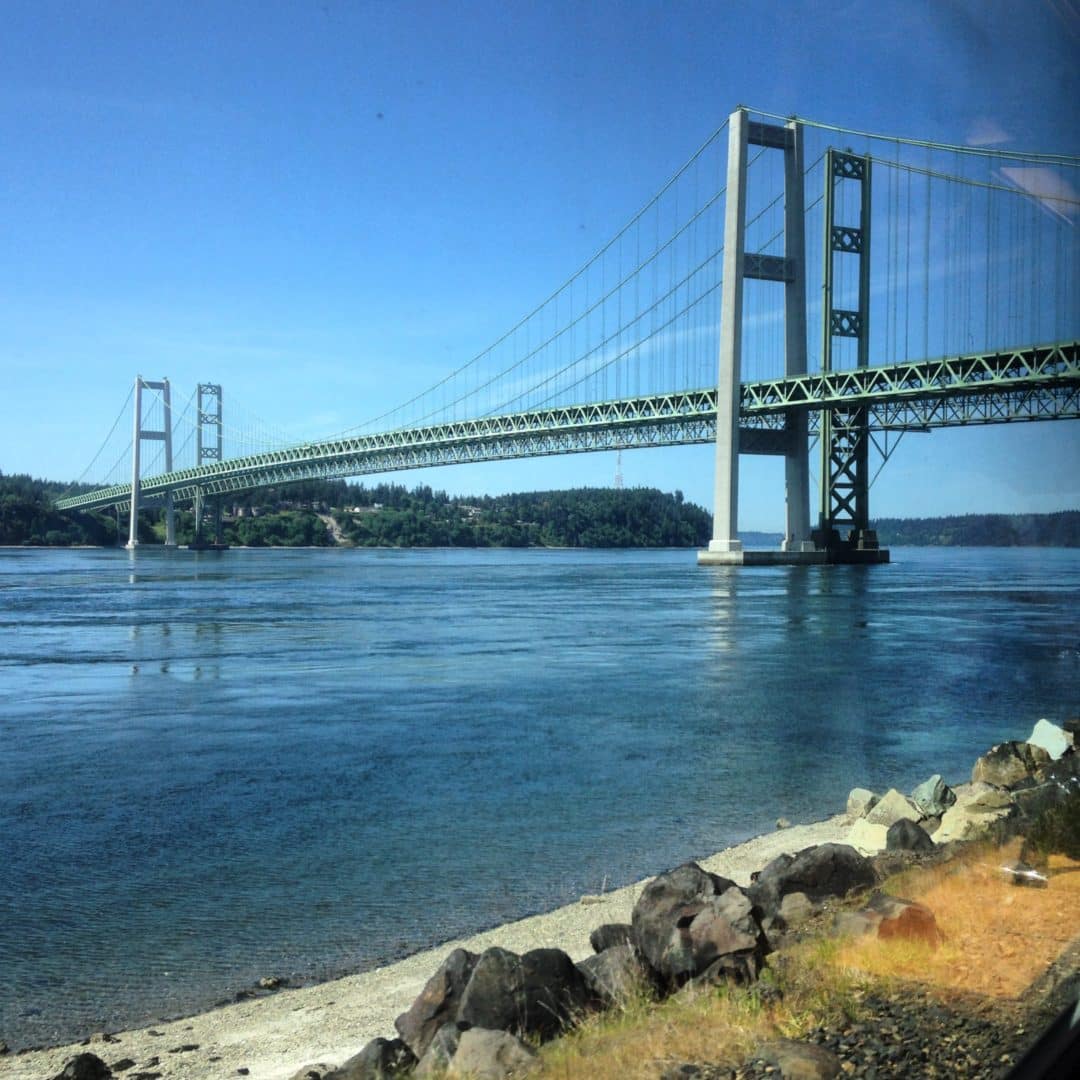
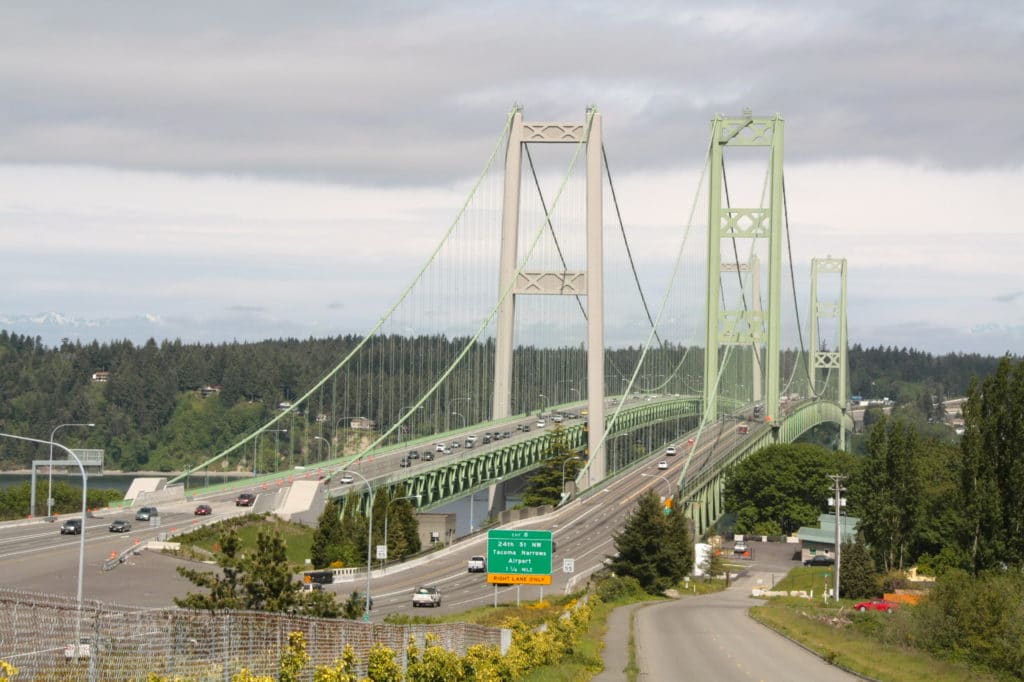
First Built in 1940, the Narrows Bridge has been a vital route for locals and industry for over half a century. It connects the Olympic Peninsula to Tacoma and the surrounding areas. There are plenty of things to do in Tacoma within site of The Narrows Bridge.  The area offers opportunities to enjoy culture, cuisine and the outdoors. Read on to learn a bit about the current attractions, the history and watch videos of Galloping Gertie’s plunge into Puget Sound and some great things to do in Tacoma.

Titlow Park and 6th Avenue

Tacoma has a number of beautiful parks and areas that offer great views of the Narrows Bridge. One of the best spots to enjoy the water and a view of The Narrows Bridge is from the beach at Titlow Park.

Titlow Park offers playfields, ball-courts, forest trails, covered picnic areas and a playground. A short hike allows access to the beach and views of the Bridge.

Local bird watchers are often seen with their long lenses along the shores of Titlow Park’s duck ponds. Titlow Lodge, a former hotel built in the craftsman tradition, sits on the park property. It has been refurbished and is available to the public for events.

Within talking distance of  Titlow Park is Boathouse 19, which offers American cuisine, a full bar and its own view of the Narrows Bridge. Just up the road, off 6th Ave is the Tacoma Musical Playhouse, and one of our favorite spots to grab a donut, Pao’s Donuts.

READ: DRIVE THRU DONUTS IN TACOMA BUT BRING CASH

One of the best views o the Bridge can be found nearby at the War Memorial Park, which offers a unique view down the span of the Narrows Bridge

Pt. Defiance

Visitors to Tacoma should always make a little time for Five Mile Drive in Tacoma’s Pt. Defiance Park. The park is the second largest City Park in the United States. It is home to a Marina, Zoo, Gardens, Restaurants, Beach and forest trails. (Click to learn which park is the largest).

READ: TWO WHEELS UP FOR OLD TOWN BICYCLE

Five Mile Drive offers a number of trails and parking areas that offer views of the bridge. Don’t be surprised if you see some deer or raccoons along the side of the road. Just remember not to feed the wildlife! If you do have a hankering to hand feed some critters, head into the Budgie exhibit at the zoo.

Gig Harbor

Across the bridge from Tacoma is the maritime city of Gig Harbor, which offers its own unique way to experience the waters of Puget Sound. The downtown area offers shopping, dining and views of he harbor an Mt. Rainier. Heart Rock Beach at Gig Harbor’s Narrows Park offers a great view from the western shore of the narrows (Click Here For Some of  The Best Restaurants in Gig Harbor).

Local Wildlife

Bald Eagles and Osprey patrol the waters below the Narrows Bridge, their nests in the nearby tree line. Below the surface are lingcod, salmon and octopi.

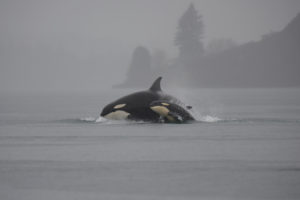
If you are lucky you might just see a pod of orcas or a humpback whale swim by. The whale population has been increasing in recent years, and with innovation of the cell phone camera, more and more folks are recording their experiences (  Check out this footage from 2017 ). Porpoises have been missing for many years, but in recent years, porpoise sightings are increasing.  Stellar Sea lions and harbor seals  are abundant in the area.

Along the shores are mule deer, raccoons and the occasional coyote. There is an an assortment of bird-life in the area including wood ducks, geese, cormorants and seagulls.

Whale sightings are increasing in the waters around The Narrows Bridge.

Experience The Waters of The Narrows Bridge

When looking for things to do in Tacoma, look no further than Sea kayaks and Stand Up Paddle-boards that are available to rent from a number of local beaches and businesses. Owen Beach in Pt. Defiance Park is one spot to find rentals in the Summer.

If you’d like a view below the surface, look into scuba diving! Cold water scuba Divers often take the plunge to inspect the waters and supports below the bridge. It’s advisable to have a boat, but some divers leave from nearby Titlow Beach, where grown men once wrestled octopi (click to learn more about the Giant Octopus of the Narrows Bridge).

Many locals enjoy the bounty of Puget Sound by crabbing or fishing the waters nearby. Make sure to check this map before clamming the beaches. If you are unfamiliar with the local waterways it may be best to charter a boat and hire a guide. This can make for a great experience as everything is taken care of, even the baiting of your hook! (Click here to charter a boat in Tacoma, WA)

If riding a bike is your thing, many folks enjoy a brisk ride along Five Mile Drive. Others will rent a bike or carriage from Wheel Fun Rentals at Point Ruston. Ruston Way offers a number of parking areas to stop and unload your own bike or take a walk to enjoy the waters and restaurants along Commencement bay.

History: A Tale of Three Bridges

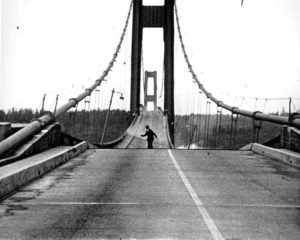
Howard Clifford runs from the buckling concrete of Galloping Gertie.

As you explore the area it’s always nice to know a little bit of the History.

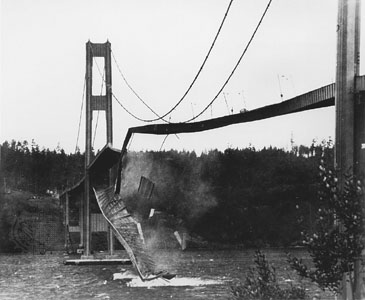
Constructed between 1938 to 1940,  the first Narrows Bridge earned the nick-name Galloping Gertie, as it would jump up and down during windstorms. Just 4 months after opening, the bridge fell apart and crumbled into the waters during a windstorm (watch original news reel footage).

Reconstruction was stalled by the war efforts of World War Two. The second bridge was finally completed in 1950. This bridge currently holds the West Bound lanes of Highway 16. The third bridge, which supports the Eastbound lanes of highway 16, opened to traffic in 2007. Going east bound will cost you though  — click here for the current toll price of the Narrows Bridge.

All three versions of the bridge are Suspension Bridges. The benefits of a suspension bridge are that it can span great lengths, can be built high above the water and is relatively inexpensive to construct. One major drawback is that the flexibility of a suspension bridge makes it susceptible aeroelastic flutter (that’s a mouthful!), which brought down Galloping Gertie, the original Narrows Bridge, in 1940 (Who’s to blame for the collapse of the Narrows Bridge?).
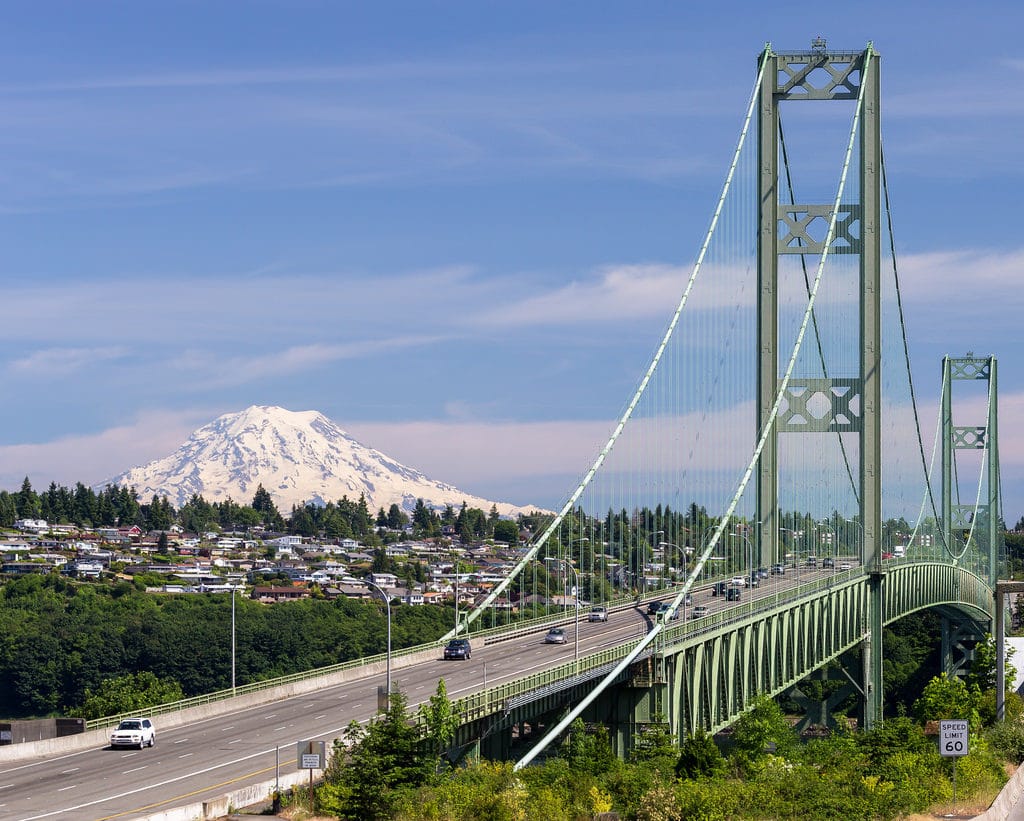
The first bridge was designed by Leon Moisseiff,  famous at the time for designing the Golden Gate bridge and several suspension bridges in New York.  The failure of the original Narrows Bridge affected him deeply. Sadly, Moisseiff died just three years after Galloping Gertie’s fateful plunge.

In 1992, Galloping Gertie’s wreckage was placed on the National Register of Historic places, to protect it from looters and salvage.  Watch “The Story Of The Tacoma Narrows Bridge 1938 – 1940”

A view of  Mt. Rainier and the westbound lanes of The Narrows Bridge.

photo by Joel Setzer

The cool crisp morning air filled my lungs as I prepared to go cycling with friends. It was late Autumn and there was still a little color left in the leaves. I could smell rain from the night before, but thankfully it was it staved off for a bit.

I didn’t own a sufficient rain jacket, and didn’t bring enough layers for the ride but I knew I’d warm up after a couple miles. This lack of winterized-cycling-garb never stopped me before. Click for some tips on how to dress in layers

I never considered myself one who looks the part of a cyclist. I’m a big guy weighing in at 220, broad shoulders and relatively tall. I’ve become comfortable standing out on the trail.

This bike ride was long overdue. A few friends and I gathered in the shadow of the Sellwood Bridge. It was the inaugural ride of what became a regular occurrence.


Looking across the Willamette River toward Portland.

Looking across the Willamette River toward Portland.

The Perfect Starting Point

Since this was our first ride together we played a majority of it by ear. We didn’t have a mileage goal and no one really knew where each other was at regarding pace and cadence. We were there to have fun.

Our starting point sat on the Eastern shore of the Willamette River at Sellwood Riverfront Park. It’s the perfect launching point for any cycling in Portland. No matter the season, there are plenty of options when starting out at Sellwood.

Sellwood Offers Options

Cycling West across the Sellwood Bridge lets you ride south into Lake Oswego and even further into Tigard.

Heading North you can take a trail along the East bank of the river which leads past Oaks Amusement ParkOMSI, and onward to a local architectural landmark, the Tilikum Crossing Bridge. You can West across the bridge into Downtown Portland, or keep heading North on the Eastside of the river toward North Portland.

If you stay on the Eastside, you can take the Eastbank Esplanade all the way north to the Steel bridge. Cycling farther up this route leads up a number of switchbacks, to Wheeler then Williams. You eventually find yourself heading in the achievable direction of  St. John’s and Cathedral Park.

Our route for the day would lead us to the gothic towers of the St. Johns Bridge.

*note: just east of the Steel Bridge is BiketownPDX where you can rent bikes from $2.50 a trip to $12 a month. 

Choosing The Eastside

I’ve been an Eastside rider for the majority of my time in Portland. It seems to be more accessible. In my opinion, it has better bike-parking, better cafes, restaurants, and even bars for foodies and beer lovers alike. Let’s be real who doesn’t love good beers and/or great food? Both are a perfect counterpart to a long bike ride.

*note: A runner up to cycling the Eastside would be cycling the farm country out near Scholls between Roy Rogers and Farmington.

A Trail That Floats On The River

After we setup our bikes and prepared our bags, we clipped in and set off from Sellwood, staying on the Eastside of the river. We approached the east corridor from Oaks Bottom Wildlife Refuge and headed to the Hawthorne Bridge. There weren’t many pedestrians on the trail, which gave us free reign to move at our own pace. At one point my rear wheel caliper began to seize. We stopped so I could make an adjustment. After a quick fix, we were back on the trail.

We rode past the Vera Katz Statue, down the gangplanks and onto the floating trail of the Eastbank Esplanade. The esplanade was championed by Katz when she was Mayor of Portland.

We rode on to the Steel Bridge (it’s over one hundred years old). We rode the switchbacks up to Wheeler, past the Moda Center, and headed North on Washington.

*note:  if you ride on the cracks on the gangplanks you won’t make a sound headed up or down

Fist Bump

Some light hearted graffiti along the way.

Avoiding Downtown Portland

One thing I love about this part of town is that everyone is out walking around. Between Belmont, Division, and Hawthorne the sidewalks are occupied and these streets are filled with cyclists more than any other neighborhood  of the Eastside. I would speculate even more than any other district of Portland. It’s exactly where you want to be if you are a person like myself who appreciates being amongst people.

The last direction many choose to take is east. By taking Spokane street up and over 17th on down to 19th. By taking a right there you’ll find yourself meeting up with The Springwater Corridor.

An Easy 40 Miles

Although it’s a little rough around the edges,  The Springwater Corridor a favorite for both locals and tourists alike. This paved trail gives the Cyclist a tour through industrial areas, deep forests, and isolated suburbs of Portland. The section of trail from Johnson Creek to Boring spans roughly 20 miles. With only minor and intermittent inclines, it supplies any rider with an easy 40 mile ride.

There are a number of places to stop along the way and take in the sights. One noted spot is Cartlandia, which is home to over 30 food carts including Voo Doo Donuts. While having some opportunities for the leisurely cyclist, this trail is certainly primed toward those looking to get some miles in without many cars or distractions.

Cycling in Oregon

On The Trail.

*note: Parents! There’s plenty of space for taking your kids whether it’s with the two seated baby carrier or the ride-alongs. This ride is great for two or more people giving you the advantage of bonding with friends or family.

Food Is Amazing When You’re Hungry

If you’re like me, once you’ve completed a ride, you want to head straight to food. There are two Mexican taquerias I recommend in the area.  The first one is along Hawthorne and is called Cha!Cha!Cha! The other one is called Por Que No? While the lines may be longer, it remains a gem that rivals its counter part. Delicious food, outdoor seating, and great service all while enjoying the urban scene.

Meandering Through North Portland

We rode through the bustle of North Portland, reaching out far beyond Alberta, through neighborhoods where the one ways incorporate traffic reducing medians that only permit cycling traffic. The streets here were quiet.  We eventuallystopped to replenish our supplies at a Plaid Pantry then continued on our way. We rounded the slow turn on the  Willamette turning ride continuing north again past the University of Portland. St. John’s was ahead.

Enjoying the view from St. Johns Bridge.

Enjoying the view from St. Johns Bridge.

St. Johns in North Portland

St. John’s is a little known secret of Portland. The summer months draw folks in while the Winter makes this district a sleepy rendezvous. The St. Johns Farmers Market is a favorite weekend destination in the summer, along with Cathedral Park which sits under the Gothic Towers of St. Johns Bridge.  It’s a beautiful place to sit a sketch, meet a friend for coffee, or stroll in the rain. Everything here feels like Portland, with a bit less bustle.

A shot of me on the deck of St. Johns Bridge.

Crossing The Bridge

As we crossed the deck of the bridge, the fog brought texture to the forest. The tall green spires of the bridge towered above us. There were only a few cars at a time on the bridge. We stuck to the right side of the bridge and rode up to the first transition. Here you can barely ride so we simply walked our bikes around the spires then hopped back on to continue.

We crossed over to the south side and took in the beauty that was all around us. Typically Portland is visible from here, but on not on this day. A thick layer of fog prevented such a view. It was a beautiful reward for the ride. Sometimes it is about the journey and sometimes it’s also about the destination. Each at times have their merits.

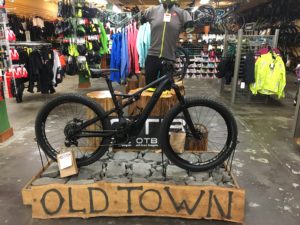
Old Town Bicycle is ready to get your bike that much needed tune up!

Bicycles, Helmets and Gear Oh My!

Tacoma’s waterfront is the premier bike path for a cruise. Old Town Bicycle is ready to get your bike that much needed tune up before Spring melts the Winter frost.

With three locations, Olympia on Capitol Way, Gig Harbor on Kimball Drive, and Tacoma’s McCarver St Location, Old Town Bicycle’s staff is ready to get you on the road.

Cycling Aspirations and Perspiration

Let’s be clear, I do not claim to be a cyclist. When I ride, it’s usually a pleasurable cruise down by the water. My beach cruiser is classic  cream white with style, and of course she has a basket.
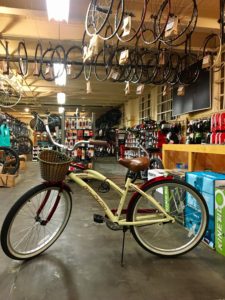
The only time I was semi-serious about cycling was for the annual Tour de Goldfish on Five Mile Drive. That race ended in a tag team Tandem Bicycle ascent to the finish.

READ: THINGS TO DO IN TACOMA: THE NARROWS BRIDGE

Get Tuned

If you are a cruiser like me, or a serious cyclist that needs the right gear for those long distance rides, Old Town Bicycle has you covered.

When I brought my beach cruiser in for a much needed tune up, I was greeted by several staff members who were ready to assist me. Alana described the different types of tune up’s the shop offered.

They cover everything from Standard to Deluxe tune ups, taking the time to clean, inspect, grease and adjust so my two wheeled transportation was ready once again to ride along the waterfront.

Gear Heads

The staff at Old Town Bicycle is friendly and knowledgeable. They were glad to discuss the importance of bike maintenance and the best ways to keep my bike in well working condition.

Helpful Hint: Giving your bike a bath, similar to washing your car keeps it in good condition. Washing prevents pebbles, sticks and nature from rusting chains or breaking gears.

We also discussed the right types of gear. Those funny shorts and Clip in shoes you see when a cyclist passes by in the bike lane are actually well worth the price for comfort and balance.

Old Town Bicycle has the right helmets, tires, water bottles and cycle gear you need to get out on the road feeling prepared.

Outdoor Adventures

Tacoma’s beauty is is better enjoyed outside. The  bike path is a great way to do this. There are plenty of things to do in Tacoma on your two wheeled friend. There are tons of local trails and waterfront views to be enjoyed.

If you ever made a resolution to get active and healthy or trying a new sport, placing your feet to the pedals is a great solution

It’s never a bad time of year to get your bike tuned, especially if it hasn’t been done in a while.

Check out Old Town Bicycle’s Deluxe Tune Up Package! Be sure to tell them Clever Neighbor sent you!

Old Town Bicycle
Address: 3009 N McCarver St, Tacoma, WA 98403
Phone:(253) 573-9400
Hours: 10AM–6PM

Edgeworks Climbing Gym

Climb on at Edgeworks

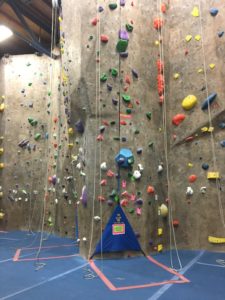
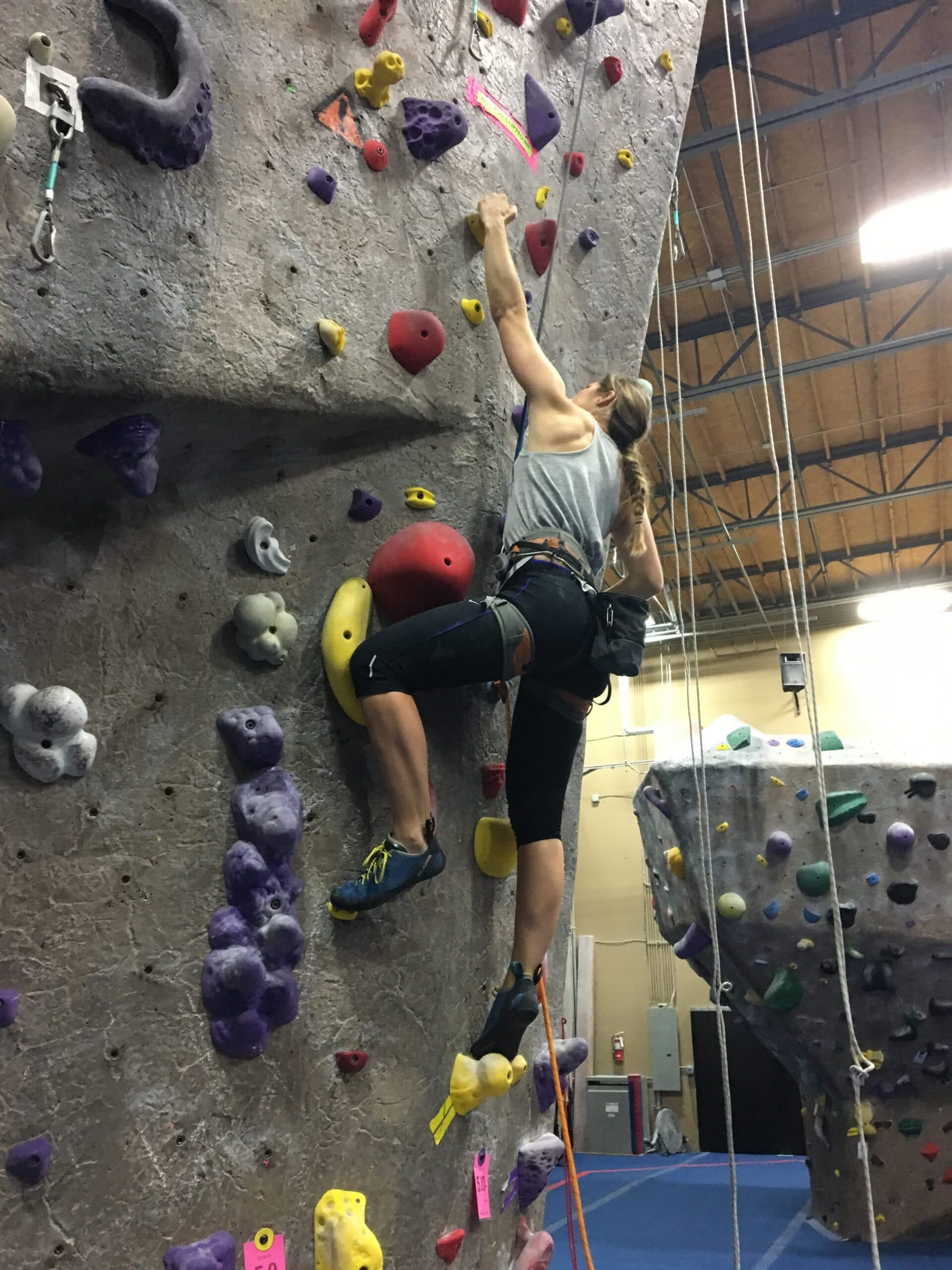
When you think Rock Climbing our minds wander to gigantic boulders and cliffs with climbers hundreds of feet in the air. This image can be a bit intimidating. Indoor climbing has dramatically changed this traditional view of rock climbing to one with brightly colored hand and foot holds, auto-belays and one-on-one instruction. Located off 6th Avenue on North 9th Street, Edgeworks is hiding out and it’s absolutely the best climbing gym in Tacoma! Don’t be intimidated,the team at Edgeworks will have you suited up and bouldering in no time. They have all the rental equipment climbers need. Everything from climbing shoes, harnesses, ATC and chalk bags. Not to mention they have great hours, open seven days a week Monday – Friday 9 am to 10 pm, Saturday 10 am to 10 pm Sunday 10 am to 7 pm.

Local bouldering

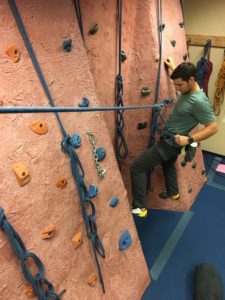
Walking up to the front door of Edgeworks, it’s hard to imagine that inside the grey warehouse business complex there is 10,000 sq ft of climbing, top-out bouldering wall, six auto-belays (single person belay stations), weight room, an instructional climbing wall on the second floor and a yoga studio to boot. Edgeworks literally has it all. There are basic 101 level classes that teach beginners how to tie a figure eight, lock in their ATC’s and climb on. It doesn’t stop there. Once you fine tune those climbing skills indoors the team at Edgeworks takes top-roping and lead climbing outside! Don’t worry when the little ones come calling“Mom I want to climb too!”, Edgeworks has kids classes and camps available as well. Climbing is a family activity and helps get everyone active and exploring the Pacific Northwest.

Commercial Climbing Gyms

The climbing industry has grown tenfold in the past decade. The march continues with the help of heated warehouses and fancy climbing equipment such as Gri Gri’s and comfortable sport harnesses. Commercial indoor climbing is another way for people in the Northwest to stay dry in the winter months while maintaining their 5.11 B status. I began climbing at Edgeworks almost one year ago, January of 2016 and have never looked back. The instructors at the gym are patient, knowledgeable, friendly and fun. They take climbing seriously so we can monkey around and really push the limits. If you are looking to become an Outdoor Guide or just want to boulder with friends check out Edgeworks. Tell them Clever Neighbor sent you!

Stay Warm & Dry

A simple three-layer approach to style can keep you warm this season. Here are some stylish tips and selections that are found locally and on the web.

Base Layer:

A good base layer wicks moisture away from your body. This keeps you warm. Avoid cotton shirts, which absorb moisture. Fabrics like polyester and wool are good choices. You can’t go wrong with this Icebreaker Merino Wool Long Sleeve. If you are feeling a little more sporty, this Helly Hansen Long Sleeve hearkens back to their original Lifa long underwear which caused a stir in the 70’s.

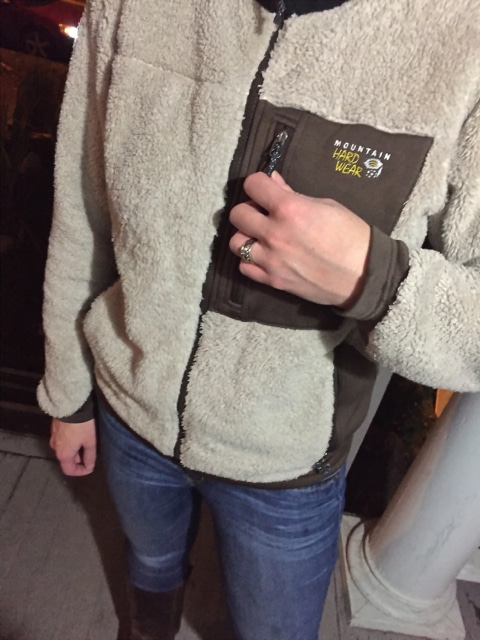
Mountain Hardwear makes a great Fleece.

Mountain Hardwear makes this plush fleece, which compliments a woman’s physique nicely.

Thermal/Insulating Layer:

A good thermal layer absorbs the heat your body creates, while letting moisture escape. Garments with pockets of air like polar-fleece, wool and goose-down are all great for this. Seattle Based Outdoor Research features a wool blend hoody, which is a comfy and durable choice. This North Face Aconcagua Vest will keep your body warm while giving your arms mobility. It’s a good alternative to the standard North Face Denali Fleece. You could always get both –  it never hurts to have options.

Outer Shell:

A good shell protects you from the wind and the rain. Many older styles of raincoats are not breathable like their modern counterparts, but they still work well depending on how active you are. A classic design from a Northwest mainstay is this Eddie Bauer Windfoil Elite Trench Coat. Something a little sportier, light weight and breathable would be a Minimalist Gore-Tex shell from Marmot.

clever-neighbor-3-layer-beach

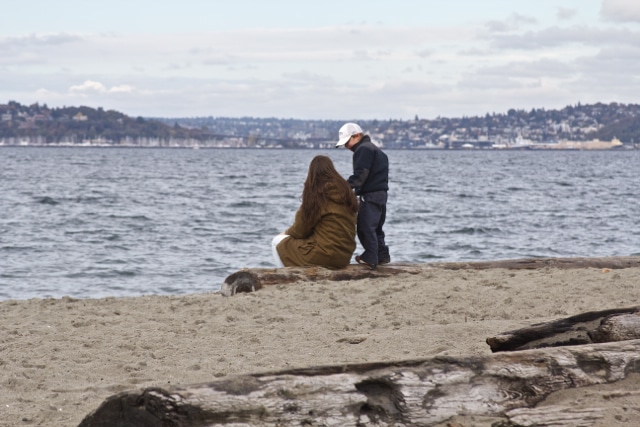
Despite the cold, this mom — in her classic Filson wax-cloth rain coat — enjoys the beach with her son who is toasty warm in his North Face Denali Jacket.

Something To Consider:

There is a hybrid of sorts out there. It is technically a thermal layer, but can still shed a little wind and rain. It’s called a soft shell and is more breathable than a standard outer shell. In some ways it is perfect for our relatively temperate Northwest winters. It works well as a light jacket through the other three seasons as well. This North Face Apex Bionic 2 Softshell should last you years on the streets and the slopes, while this Kirkland Signature softshell hooded jacket would be the stylish and economical choice. If you’re looking for another resource check out sharp shaft survival tips.

Where To Buy:

A lot of these brands are found locally in the South Sound at stores like Big J’s, REI, Cabela’s, and Bass Pro Shops.

Read Things To Do In Tacoma: The Narrows Bridge