A good shoe both separates and connects us to the ground. It protects our feet and ensures the grip we need to move toward our goals. Whether it’s to run another mile or shop another store, active footwear can be a key factor in how we enjoy the experience.
Each person has unique feet, with different widths and arches. Certain brands like Keen are better suited for a wider foot, and other brands like Brooks offer different cushioning factors. After-market insoles like Superfeet are popular, because they adapt a shoe to fit your foot—and can be transferred from shoe to shoe.
When considering how to stock your quiver of shoes, there are a number of things to keep in mind. Will there be mud, water or dust on the trail? Will my feet get sweaty? How stylish should I be today? How active might I get whether chasing a dog or standing in line? These are a few of the factors that help us decide which shoes to wear, and which shoes to buy.
We took a look at the offerings of a number brands to see what they offered in shoes for an active lifestyle. We stuck to low cut shoes that were not intended for any one sport. Hopefully this guide will aid you in making your next purchase:

Lifestyle Shoes
Casual Shoes: A comfortable alternative to dressier shoes that, in some cases, may be worn with dressier clothes. There is a variety of colors and styles to pick from.
Pros – Comfortable, stylish, and typically less expensive.
Cons – They may lack the tread and support you need in your work or activities.
Something to consider –Always break in a pair of shoes and test them out before committing to an 8-hour shift in them. Just because your office-mate can get away with casual shoes, doesn’t mean it will work for you.
Walking Shoes: These can be great for work, your morning walk, or afternoon shopping. Their main function is support and comfort. They may not be as stylish as other shoes, but they get the job done.
Pros – Good comfort with great support.
Cons – Not what some might call “stylish.”
Something to consider – Some brands specialize in more stylish walking shoes. If comfort and support is what you’re looking for, don’t get scared off by one brand’s offerings.
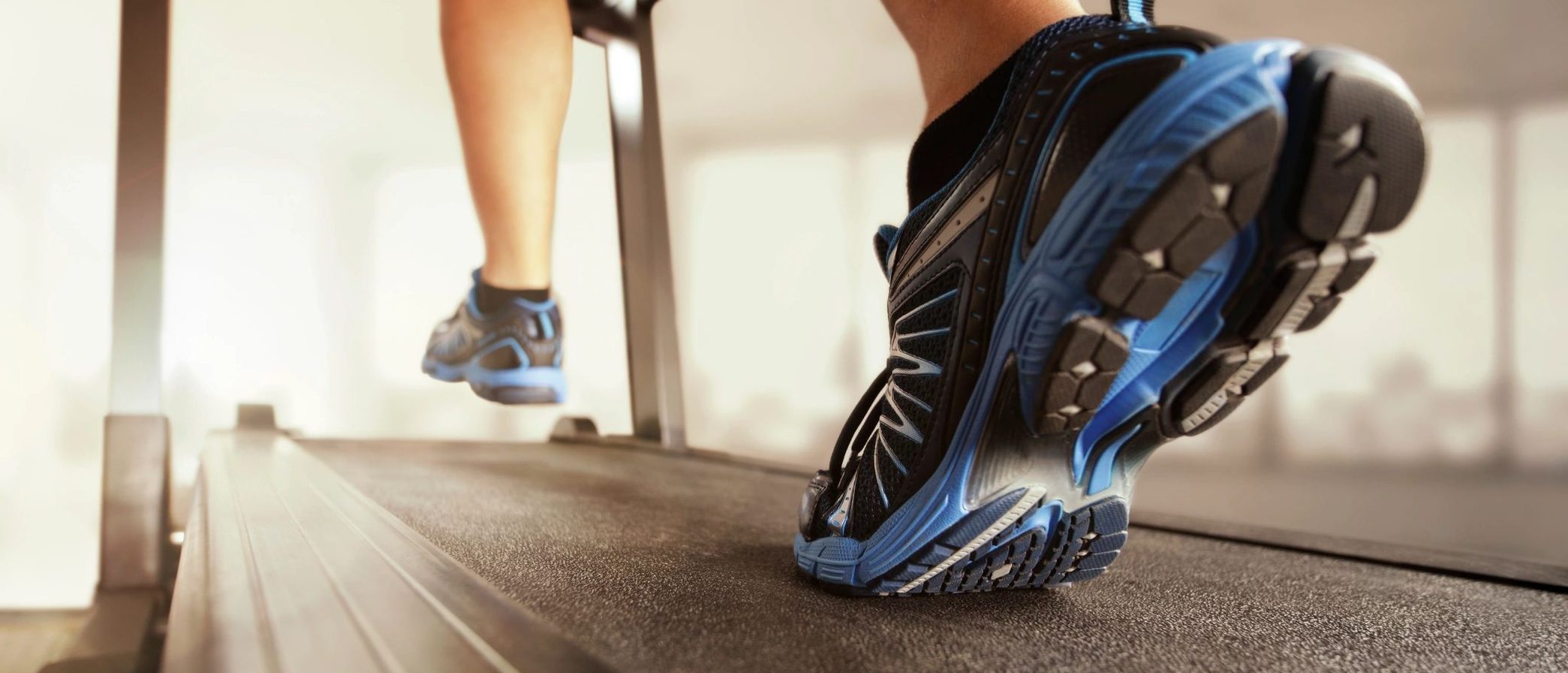
Running Shoes
Running Shoes: Lightweight, purpose-built shoes for running and jogging in a straight line, not necessarily for side to side maneuvers. They are designed to have good airflow. They are not the most supportive in the arches or ankles. Waterproof versions are available, which are less breathable and stiffer.
A few of our favorites


Pros — Lightweight, comfortable and breathable. Often offered in fun colors/designs.
Cons – They wear out quickly. They may lack the support you need. The fun colors/designs might be “too” fun.
Something to consider – Running shoes range from being minimalist with very little support, to having a much better support, depending on the needs of the owner. Check with a reputable running store, like Brooks Running, to have an expert fit a shoe to your needs.
Trail Running Shoes: These are much like traditional running shoes, but are purpose-built for people who run on loose terrain. They have an aggressive tread, are lightweight and breathable. Waterproof versions are available.
Pros – Aggressive tread, light weight and breathable.
Cons – May lack support. The tread may not work so well on pavement or other smooth/hard surfaces.
Something to consider – As with traditional running shoes, the tread is soft and may wear down quickly. Some trail runners have an aggressive tread, which will also wear down quickly if worn off the trail.
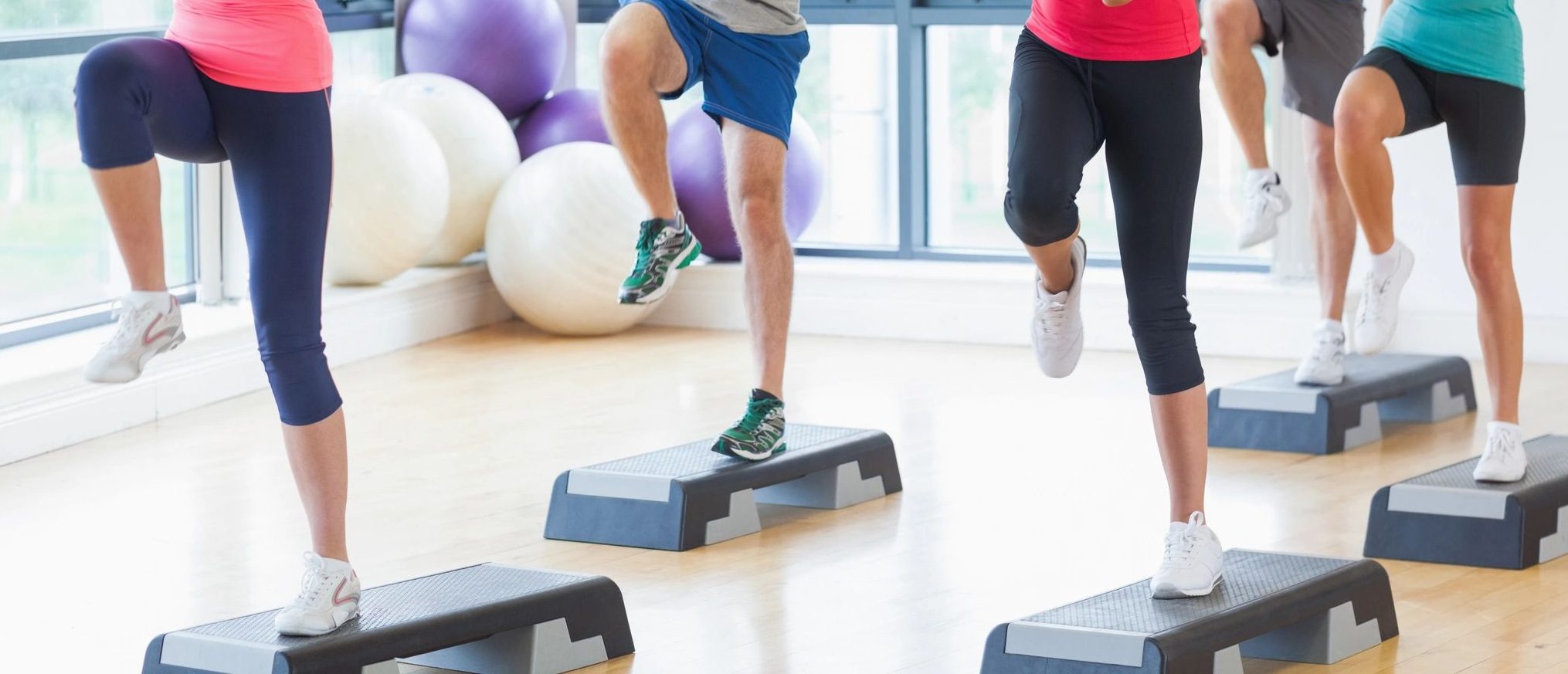
Training Shoes
Cross Training Shoes: These are some of the most popular footwear for those with an active lifestyle who may only want one pair of shoes. They are typically made from a material and pattern that doesn’t show the dirt. They have great support and traction, and are relatively water resistant and in some cases are waterproof.
Pros – Long lasting build with relatively good support and traction. Not offensive in appearance especially if worn with an outdoor style. Typically built to last.
Cons – Heavier than other shoes. May not breath as well as other shoes.
Something to consider – These shoes may become so practical that they are all you ever wear. After two years, you may need an intervention from close friends who will help you throw them away. You will most likely buy the exact same style.
Aerobics Shoes: These are made for your typical Zumba, step or Kick-boxing classes. They offer good side support and cushioning.
Pros – Good support and cushioning. A good all around shoe.
Cons – No waterproof option. Won’t last as long as cross-trainers. The style may not translate well from your Zumba class to QFC.
Something to Consider – To help them stay clean and last longer, have a pair of comfortable slip on shoes that you wear to and from your aerobics class. This will allow your feet and active footwear to breath post workout, and could remedy any style concerns.



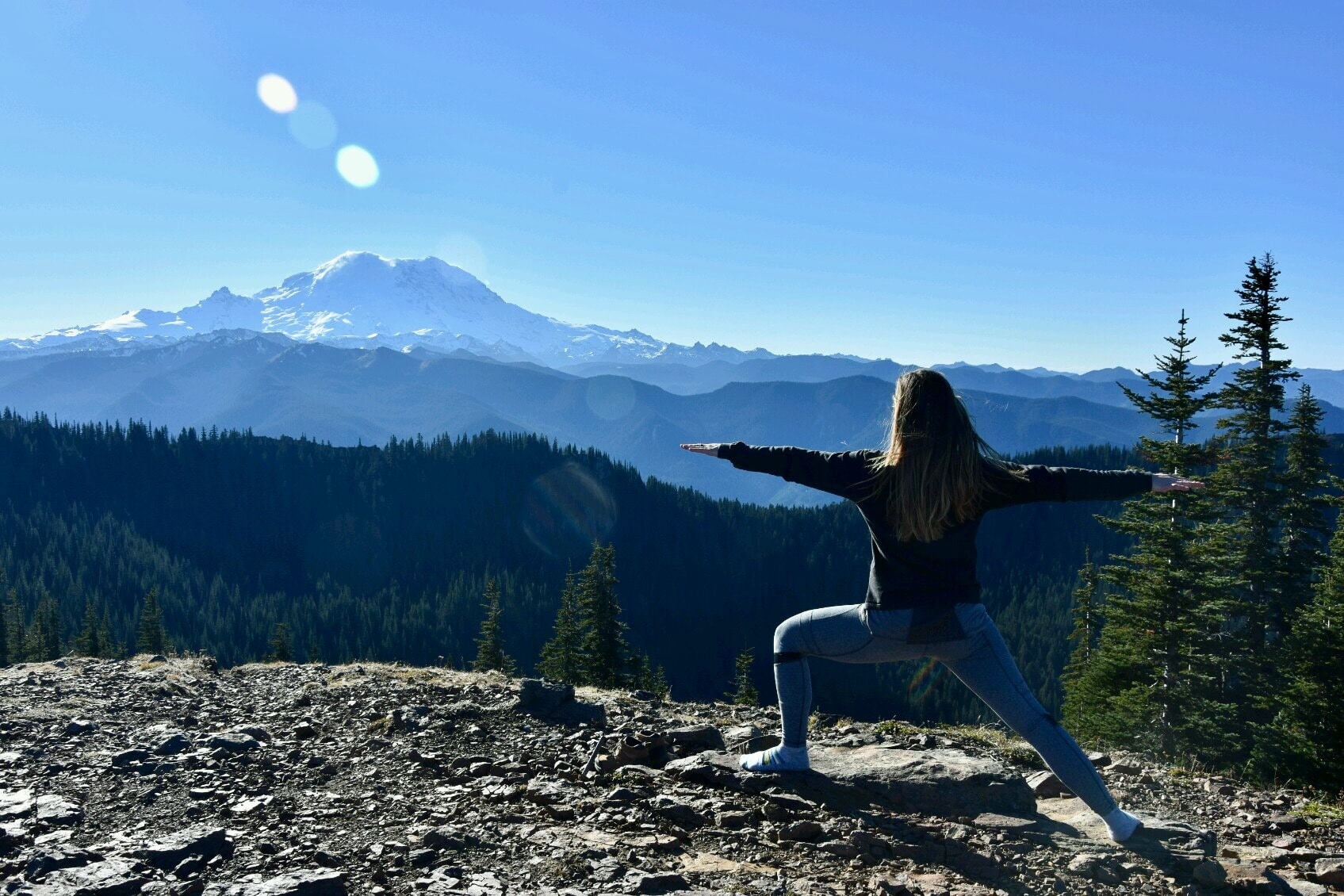
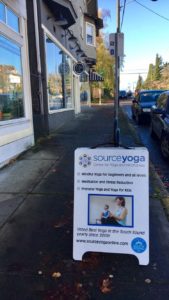 Ananda is Sanskrit for bliss, which is exactly what students find at Source Yoga. Located on North 21st Street in Tacoma or Regents Blvd in University Place, this local yoga studio has amazing instructors that help students at every level develop and harness their abilities. I began my Yoga expedition this past September. Coming in with zero experience, I was nervous about trying yoga. I decided to start with the I & II level class. One hour and fifteen minutes later my Yoga Bhakti (path of devotion) was under way.